For many it’s the first day of school and we are betting that it looks a lot different than what we all used to. Whether learning in the classroom or from home, there’s one thing that hasn’t changed: the Pratt Library’s commitment to learning.
Here’s a look at a few of the educational resources that the Pratt Library has available. Check them out!
Educational Resources for Middle School. Students can find reference content with videos, newspapers, primary sources and much more by using Gale In Context: Middle School.
With less than 100 days until the 2020 presidential election, Kanopy – the free video streaming resource you can access using your Pratt library card – has curated a collection of films that focuses on history and disenfranchisement as it relates to voting in the United States. Hopefully, watching films like Dark Money,Answering the Call,Beyond Elections, and others from Kanopy will inspire us all to vote and make our voices heard this November! For more information on voting in Maryland, please visit The State Board of Elections website here.
BEYOND ELECTIONS (2008, Credit-free) In 1989, the Brazilian Worker’s Party altered the concept of local government when they installed participatory budgeting in Porto Alegre, allowing residents to participate directly in the allocation of city funds. Ten years later, Venezuelan President Hugo Chavez was swept into power with the promise of granting direct participation to the Venezuelan people; who have now formed tens of thousands of self-organized communal councils. In the Southern Cone, cooperative and recuperated factory numbers have grown, and across the Americas social movements and constitutional assemblies are taking authority away from the ruling elites and putting power into the hands of their members and citizens.
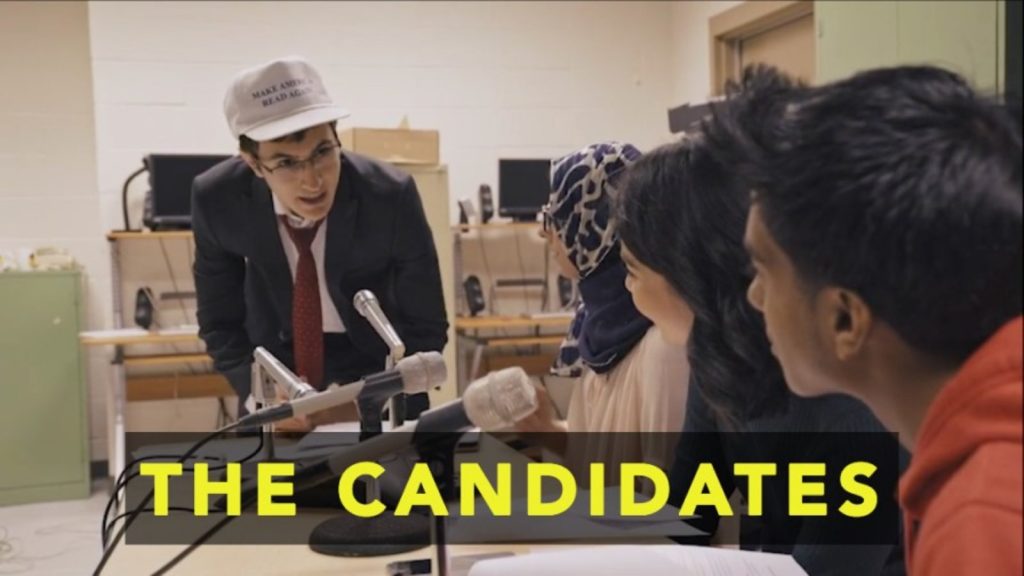
THE CANDIDATES (2018) Since 1996, the student body of Townsend Harris High School has been staging the longest running civics experiment in the form of simulating the American electoral process against the backdrop of the real one. In these elaborate mock elections that span an entire semester, candidates must run the whole gamut of an election Grand simulation replete with fake money, media pundits, campaign ads, debates, electioneering, super PACs, and candidates’ spouses. The Candidates dives into the halls of Townsend Harris High School during the months leading up to the 2016 election.
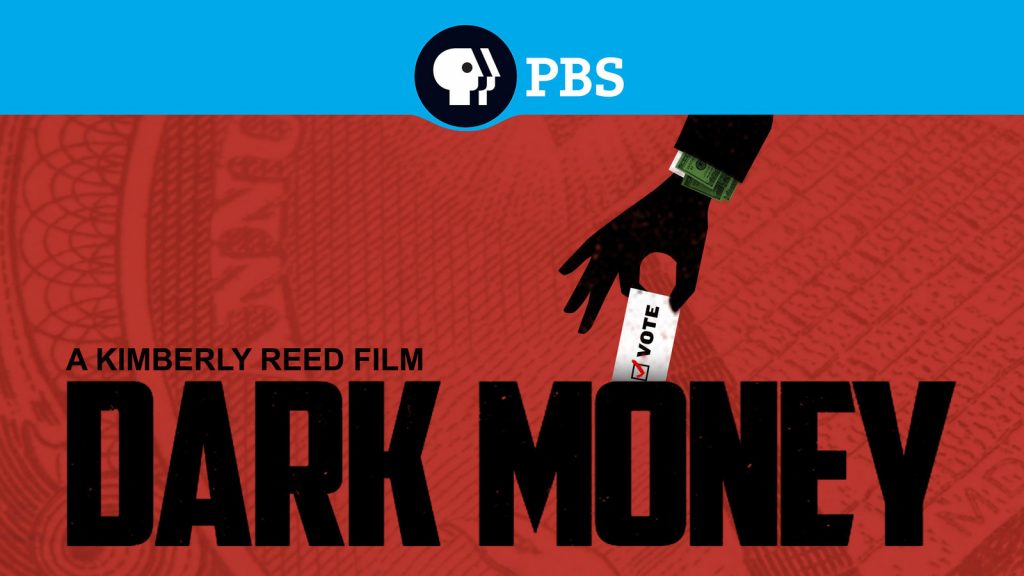
DARK MONEY (2018) This acclaimed documentary (nominated for Best Documentary Feature at the 2019 Academy Awards for the Grand Jury Prize in Documentary at the Sundance Film Festival) examines one of the greatest present threats to American democracy: the influence of untraceable corporate money on our elections and elected officials. The film takes viewers to Montana – a frontline in the fight to preserve fair elections nationwide – to follow a local journalist working to expose the real-life impacts of the US Supreme Court’s Citizens United decision.
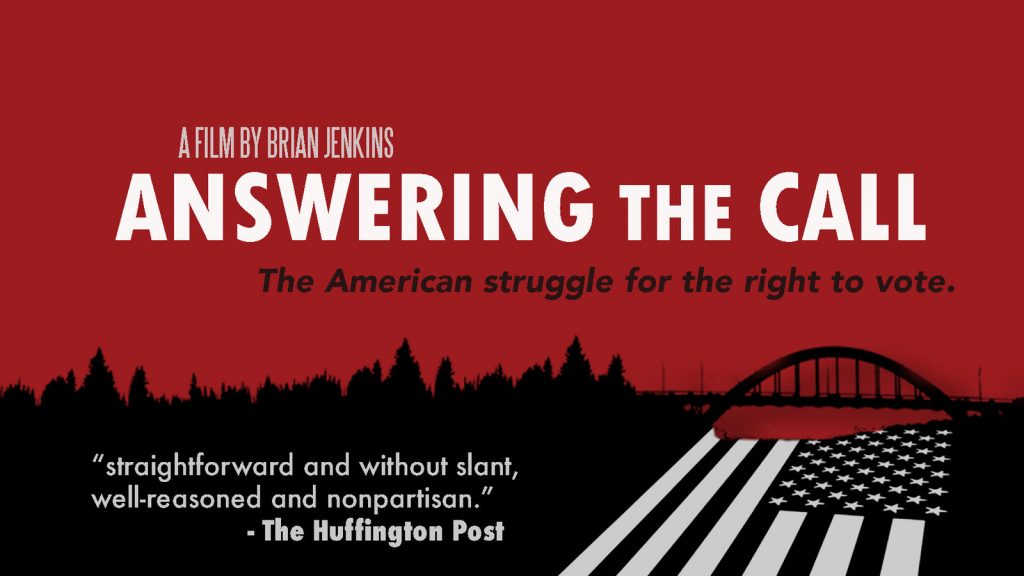
ANSWERING THE CALL (2016) The bloody attacks of protestors in Selma on “Bloody Sunday” in 1965 led to the historic protection of all Americans’ right to vote. This film explores a cherished family story of Selma and the current state of voter suppression in America.
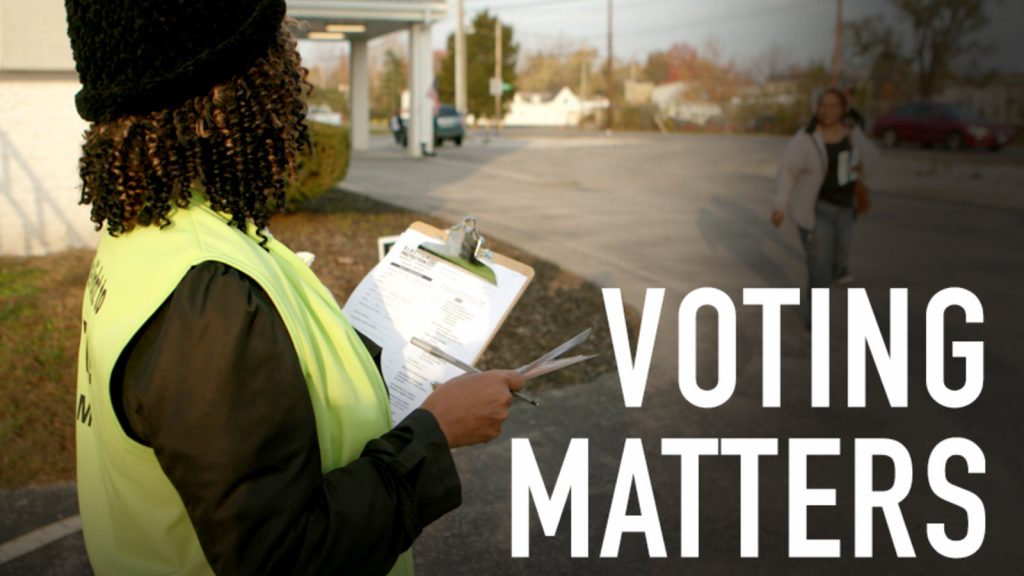
VOTING MATTERS (2018) When a key section of the Voting Rights Act was struck down in 2013, several states with a history of racial discrimination immediately attempted to pass laws that further restricted voter rights. This film follows civil rights attorney Donita Judge as she helps several voters in Ohio cast ballots even though they initially were turned away.
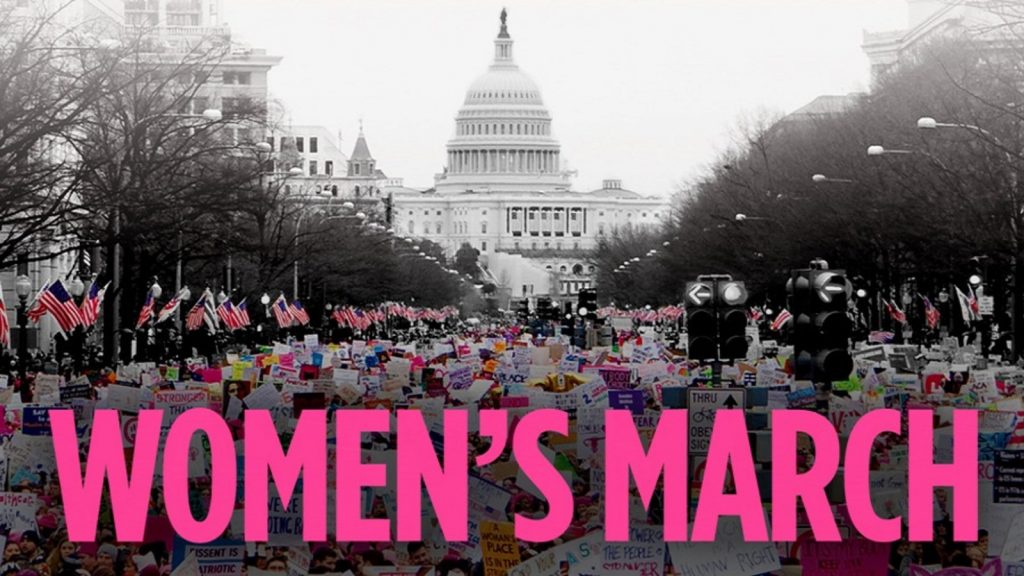
And don’t forget that 2020 is the Women’s Suffrage Centennial year. Celebrate the 100th anniversary of the 19th amendment that granted women the right to vote by watching these free Kanopy suffrage documentaries.
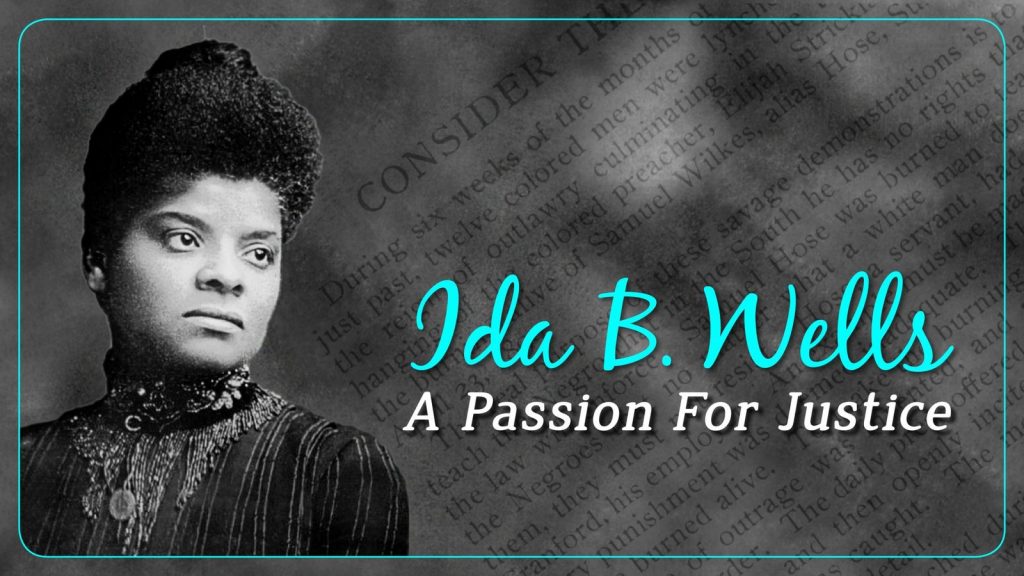
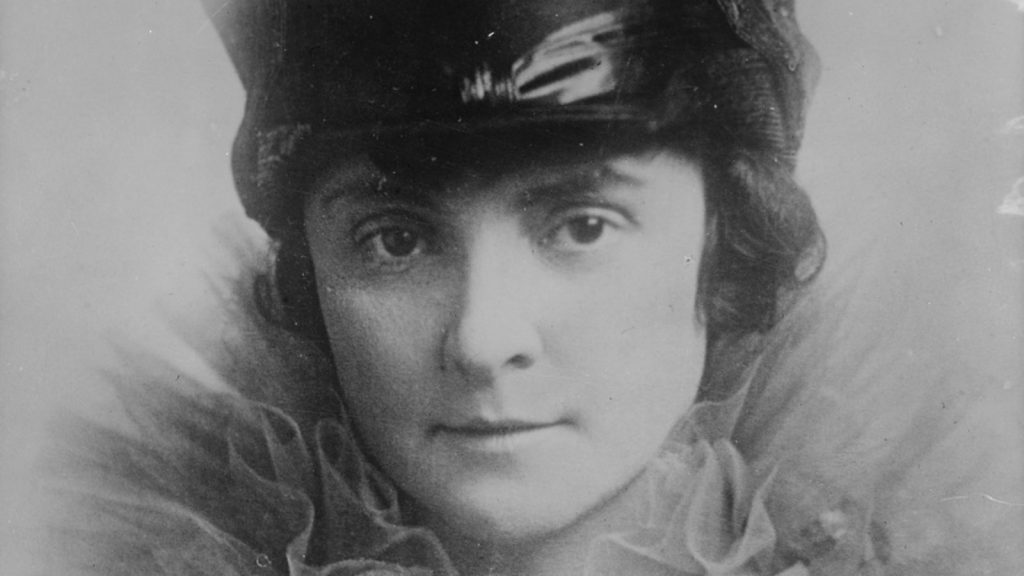
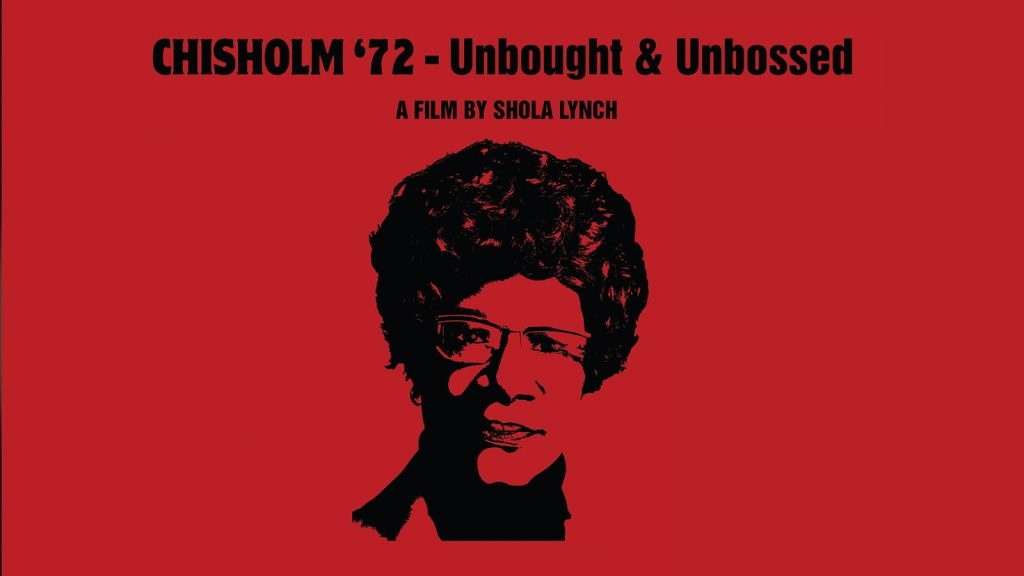
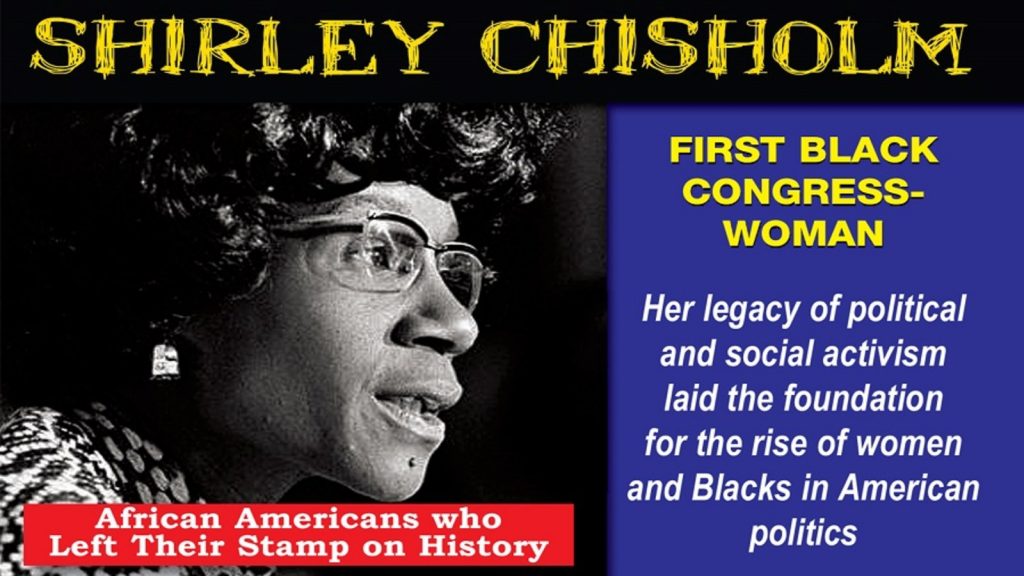
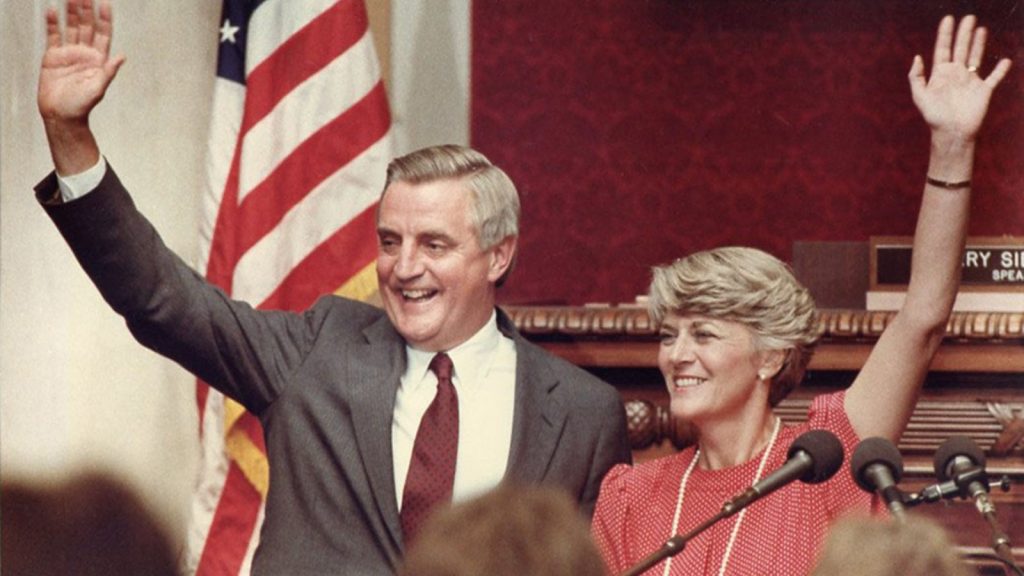
Pioneering Political Women Long before Kamala Harris became the first Black (and first South Asian) Vice-Presidential candidate, there were other political pioneers of Women’s Rights, such as Shirley Chisolm (the first Black Congresswoman and the first Black woman to run for President) and Elaine Ferraro (the first female Vice-Presidential running mate). Kanopy chronicles their stories in the documentaries below:
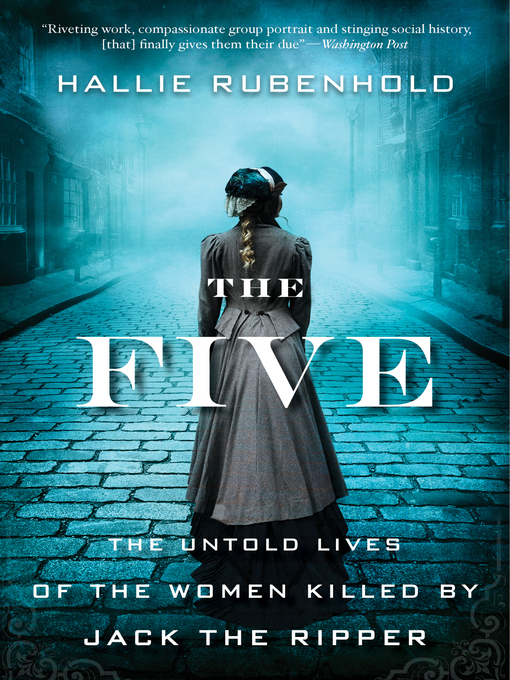
Anna Marie R. on The Five by Hallie Rubenhold: If you’re looking for gory true crime murder details this is not your book. Instead, you get a well thought-out history of how Jack the Ripper’s “Five” confirmed victims ended up being where they were when they were killed. Fascinating insights into Victorian mores and a real picture of these women, generally branded “prostitutes,” who had amazing stories. A reminder that no one is worthless.
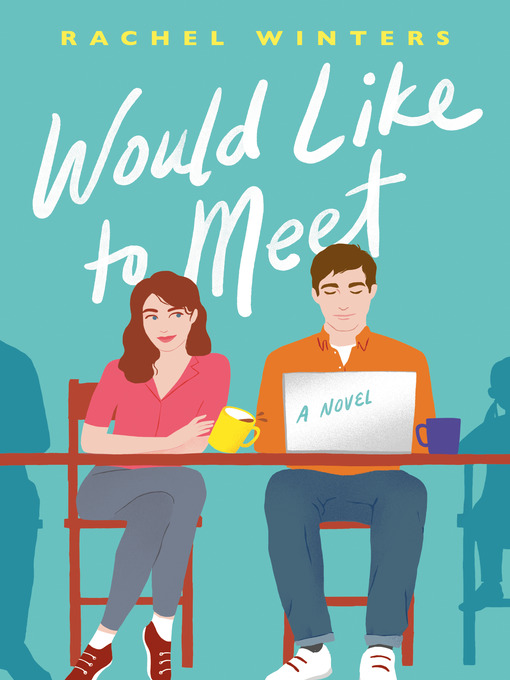
Shawna P. on Would Like to Meet by Rachel Winters: Want a romance with plenty of humorous, disastrous meet-cutes? Would Like to Meet includes all of that. I loved reading this novel. Evie is so clumsy and forgetful that she is the main character that you would yell at your TV to get her act together. I love Ben and his little girl Anette, the photography and school play scenes were my favorite! And this is the perfect beach/pool read because I read it in two sittings. So fast, and wonderful.
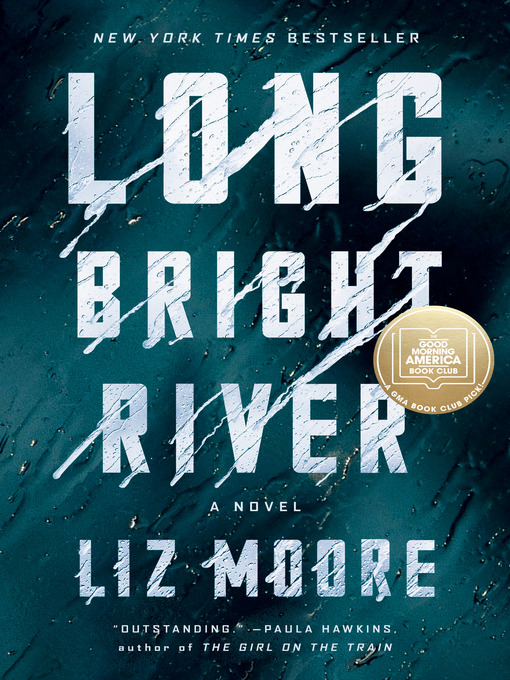
Himani S. on Long Bright River by Liz Moore: Philadelphia, the heroin epidemic of America, the blue code of silence among police officers. These are the threads that run through this fun, quick summer read.
Laura M. on Horrorstör by Grady Hendrix: A unique and modern horror story set in a big box furniture showroom that’s not QUITE like the blue and yellow Swedish one you know. Not for kids, this tale occurs during an overnight shift where Amy and her coworkers realize the consequences of a seance in a store built over the site of a notoriously cruel penitentiary. It will have you looking for your hex wrench to find a way out!
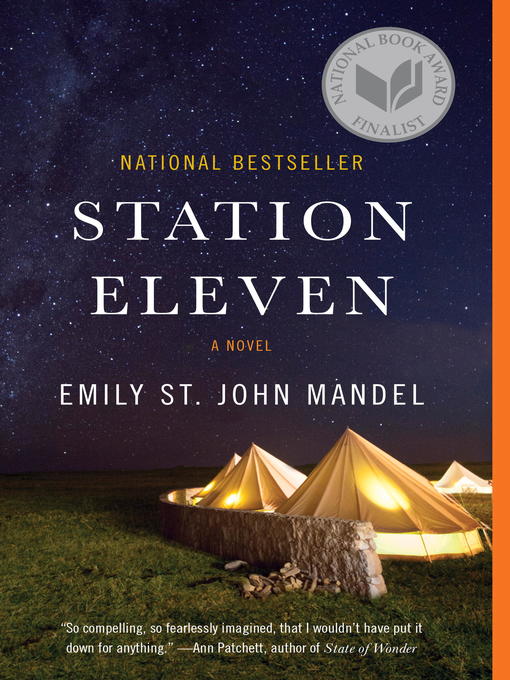
Amy Y. on Station Eleven by Emily St. John Mandel: This is a beautiful novel. It seems maybe a little masochistic reading this in COVID-19 days, but while it alludes to the worst horrors of a pandemic and post-apocalyptic life, this book does not delight in cruelty and focuses more on hopefulness than horror. If anything, living in our current times makes the characters longing for a previous era more poignant. This is a story about the connections we make as humans, about the fragility and resiliency of humanity, about the small things and moments that really matter in the end.
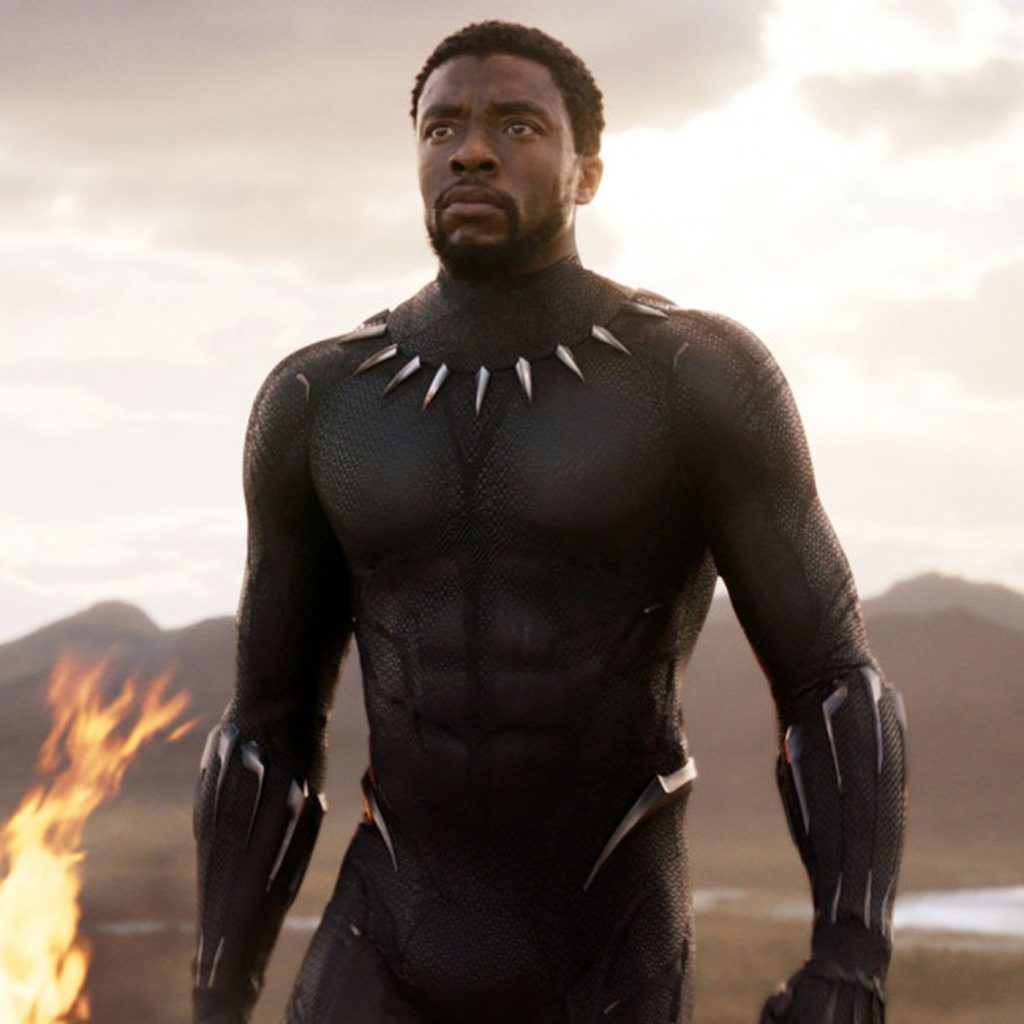
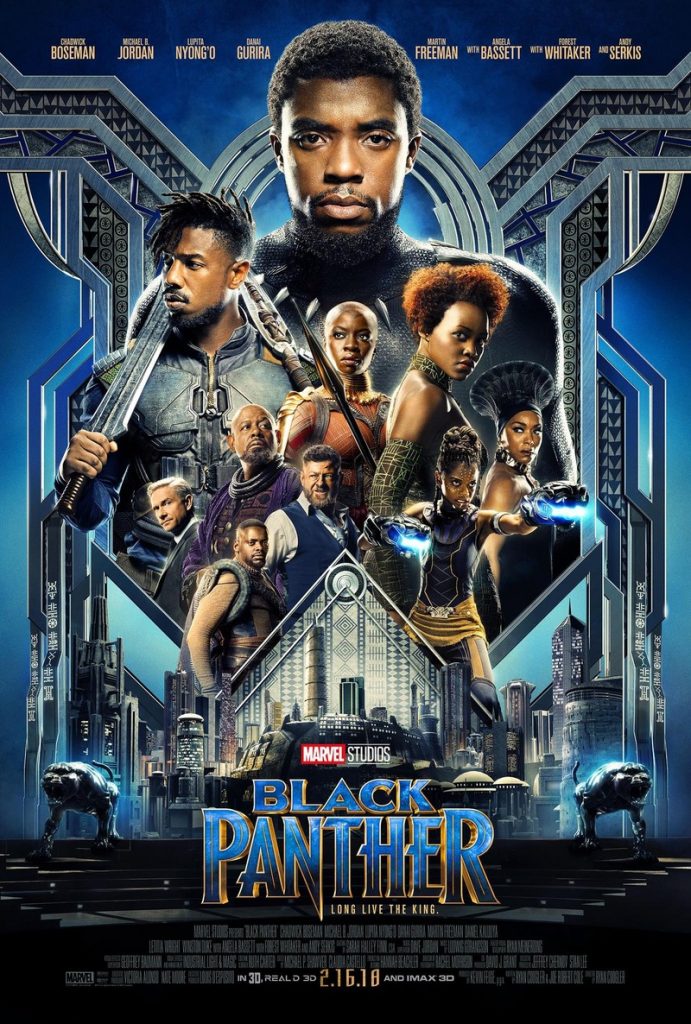
Chadwick Boseman as King T’Challa in “Black Panther” (photo: Marvel Studios)
The King is dead. Long live the King!
Actor Chadwick Boseman, whose regal performance as King T’Challa in the ground-breaking 2018 film Black Panther became an inspiring symbol of Black power, died August 28, age 43, after the “Wakanda warrior” lost his four-year battle against colon cancer.
Boseman’s fight against illness mirrored his onscreen character’s heroics, as he overcame adversity to film some of the biggest movies ever made late in his career, including two just this year. His final performances were as “Stormin’ Norman” in Spike Lee’s Da 5 Bloods (2020) and as Levee in the just-completed film adaptation of August Wilson’s Ma Rainey’s Black Bottom (2020). Boseman’s passing creates a void that can only be filled by looking back at the films and performances he left us, and cherishing the artistry that carries on in them.
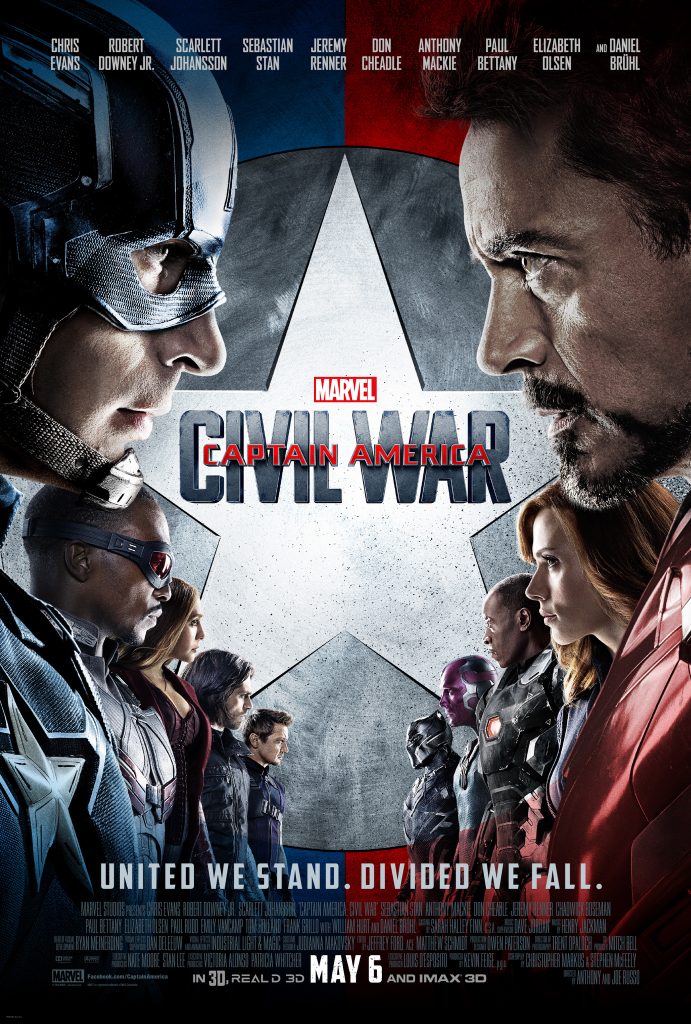
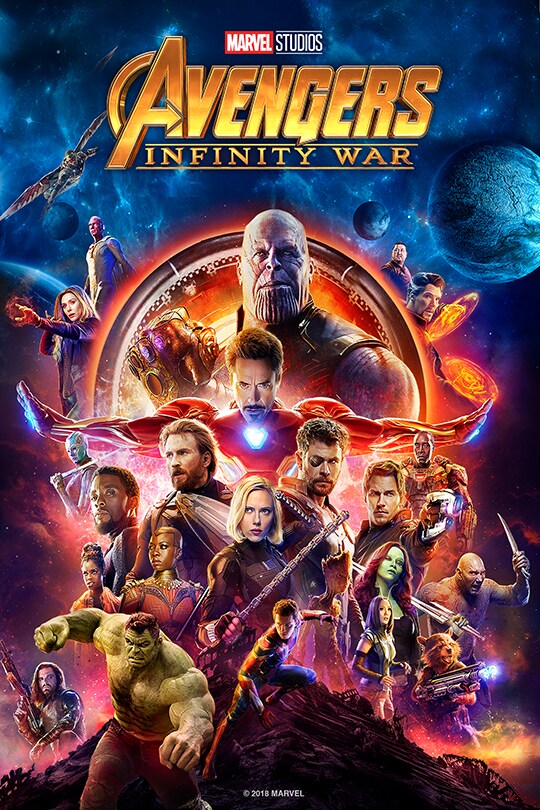
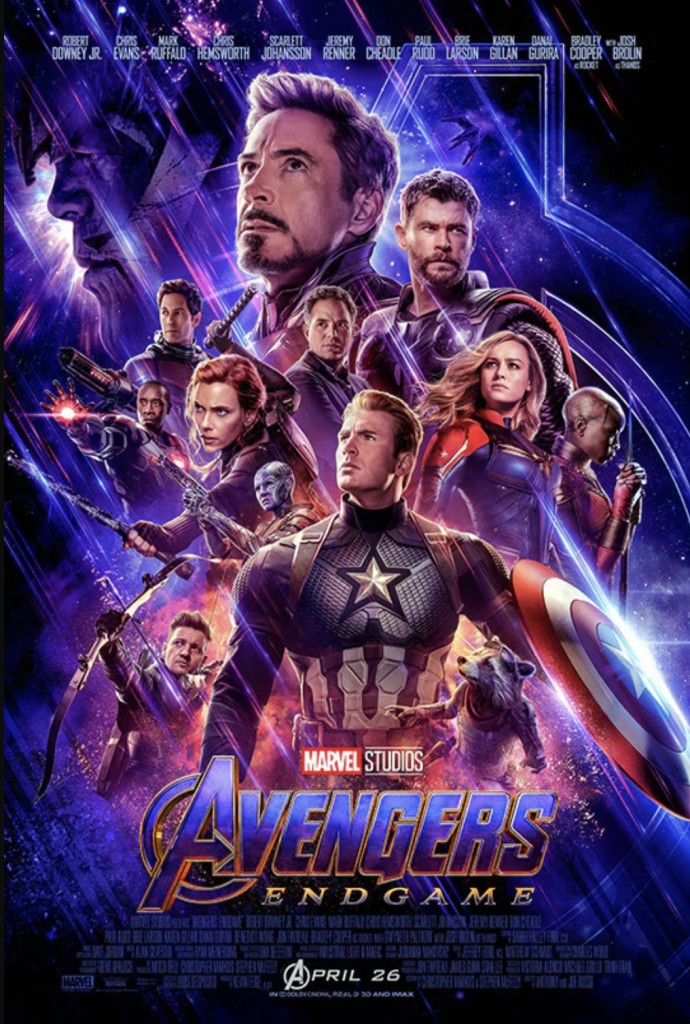
Though Black Panther will be probably be remembered as the highlight of his Hollywood reign, Boseman already had a storied and critically acclaimed career long before portraying T’Challa the Black Panther in four Marvel Cinematic Universe films (2016’s Captain America: Civil War, 2018’s Black Panther and Avengers: Infinity Wars, and 2019’s Avengers: Endgame).
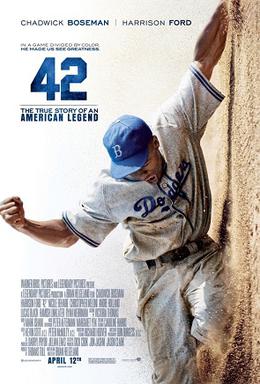
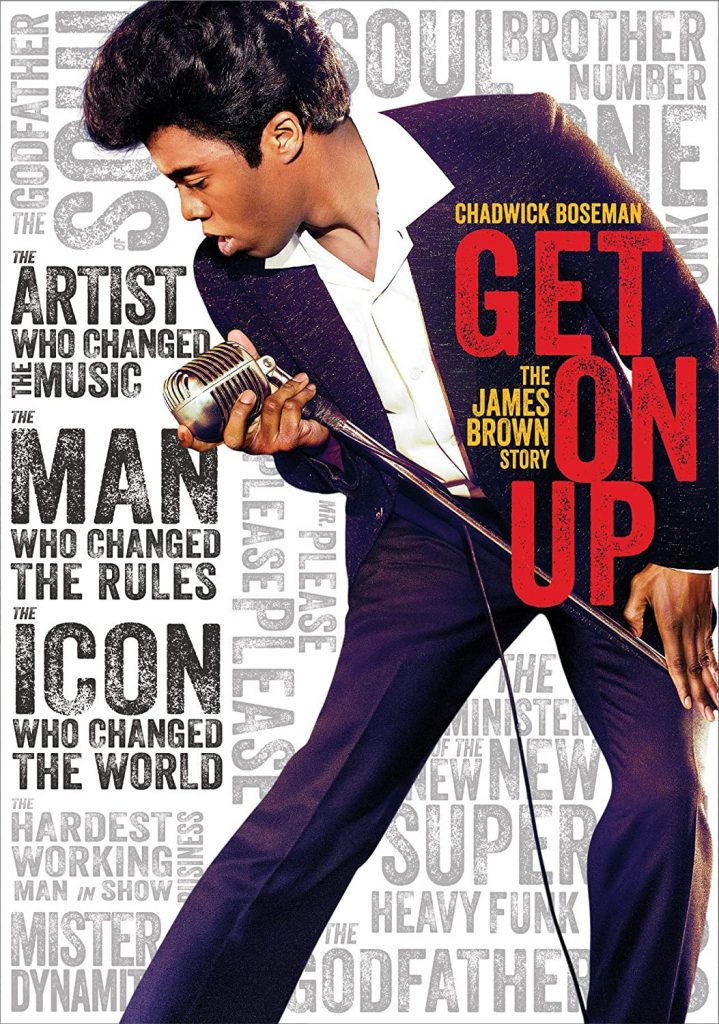
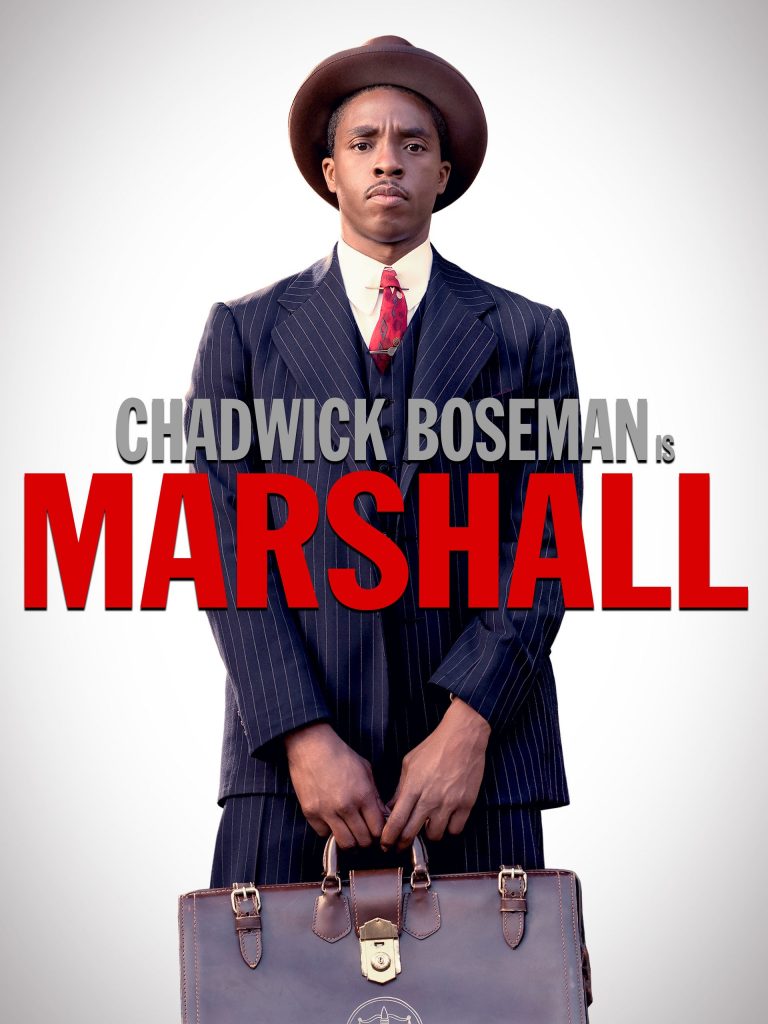
Boseman had starring roles as several pioneering African-Americans, portraying such iconic figures as Jackie Robinson in 42 (2013), James Brown in Get on Up (2014), and Thurgood Marshall in Marshall (2017). To be asked to portray such legends is an honor in itself; to master the role in such a way that both respects the subjects and inspires the audience is yet another achievement, one that will outlast Boseman’s all-too-brief life and be his true lasting legacy.
Like Kamala Harris and Toni Morrison, Boseman was a graduate of Howard University, where he received a Bachelor of Fine Arts degree in Directing; he went on to study acting at Oxford University, thanks to Denzel Washington, who paid his tuition. He was also a playwright and continued to write throughout his career. Of his inspirational role in Black Panther, Boseman acknowledged the film’s influential celebration of African culture, tradition and identity. “You might say that this African nation is a fantasy. But to have the opportunity to pull from real ideas, real places and real African concepts, and to put it inside of this idea of Wakanda – that’s a great opportunity to develop what a sense of identity is, especially when you’re disconnected from it.”
If you’ve already seen Black Panther and want more of T’Challa’s adventures, you can use your library card to read or download Black Panther comics (written and illustrated by various artists, including Ta’Nehisi Coate’s acclaimed 2016-2018 series for Marvel Comics) through our digital media resource, Hoopla.
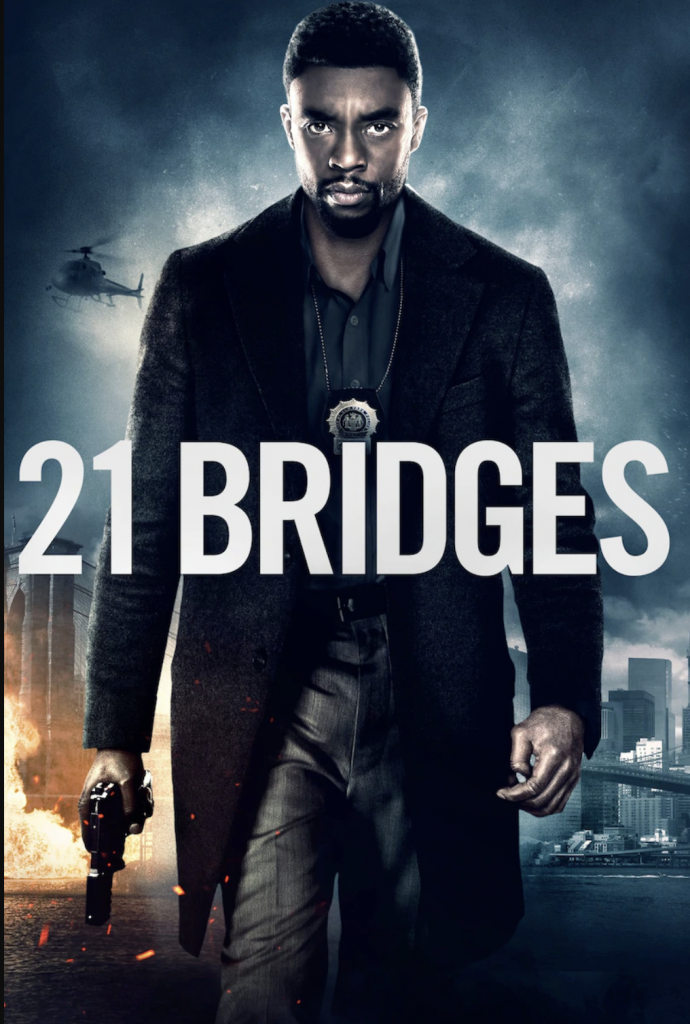
Though The Kill Hole (2017) is the only Boseman movie available to stream on Hoopla, Pratt has the following films available to be checked out through Sidewalk Service pickup or Books-By-Mail services:
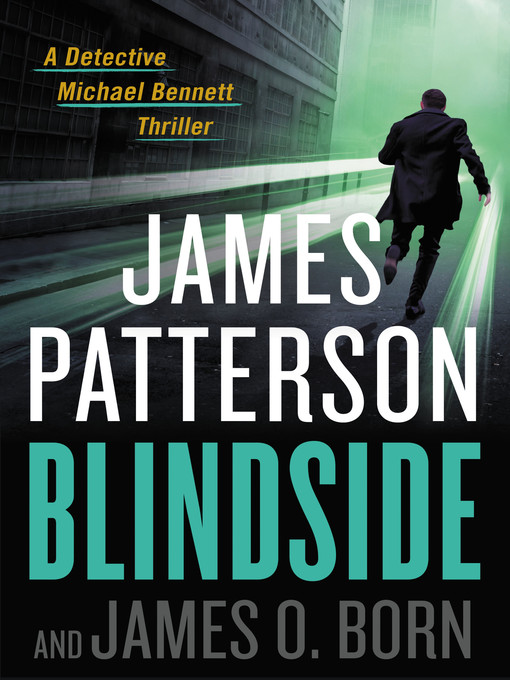
Blindside by James Patterson and James O. Born eBook
He has done it again. This time with his co-author James O. Born, James Patterson, one of the most seemingly inexhaustibly talented fiction writers today, has penned yet another intriguing Detective Michael Bennett mystery. Whether this is the first, or one of many of the Michael Bennett mysteries that you have read, you will not be disappointed.
There is an almost all new cast of characters and multiple storylines. Of course, they all involve Detective Bennett’s policework and his very large non-traditional family (10 adopted children, the oldest who is in prison, a fiancé and grandfather who is a priest). Add to this an unlikable large city mayor and his estranged family in crisis depending on Bennett to successfully resolve the matter; a maniacal technology genius and his band of cut-throat hit men and women, and several other stand alones without whom the plot would not hang together nearly as well were they not thrown in for good measure.
By attacking multiple themes and storylines (police work, the importance and complications of family interactions, the role of spirituality in life, murder, an international hacking operation, use of technological genius for disreputable purposes, and more) the authors spin a tale of intrigue that will keep you riveted to each page of the story from beginning to end. They masterfully weave together the multiple plots seamlessly and skillfully guide the reader through them.
Patterson seems to have an infinite ability to spin tales that are fiction but with just the right amount of contextual facts to make his works totally believable. In this instance his co-author collaborates exceptionally well with this inimitable style of Patterson.
If you are a lover of mystery fiction, this is a book to add to your Summer Challenge reading list. If you have never been a fan of mystery fiction, try reading Blindside and you just might change your mind.
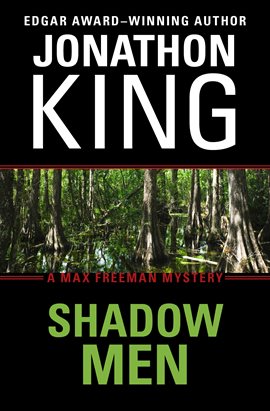
Other novels that may interest you that can be found in the digital collection at the Enoch Pratt Free Library as e-books are: